
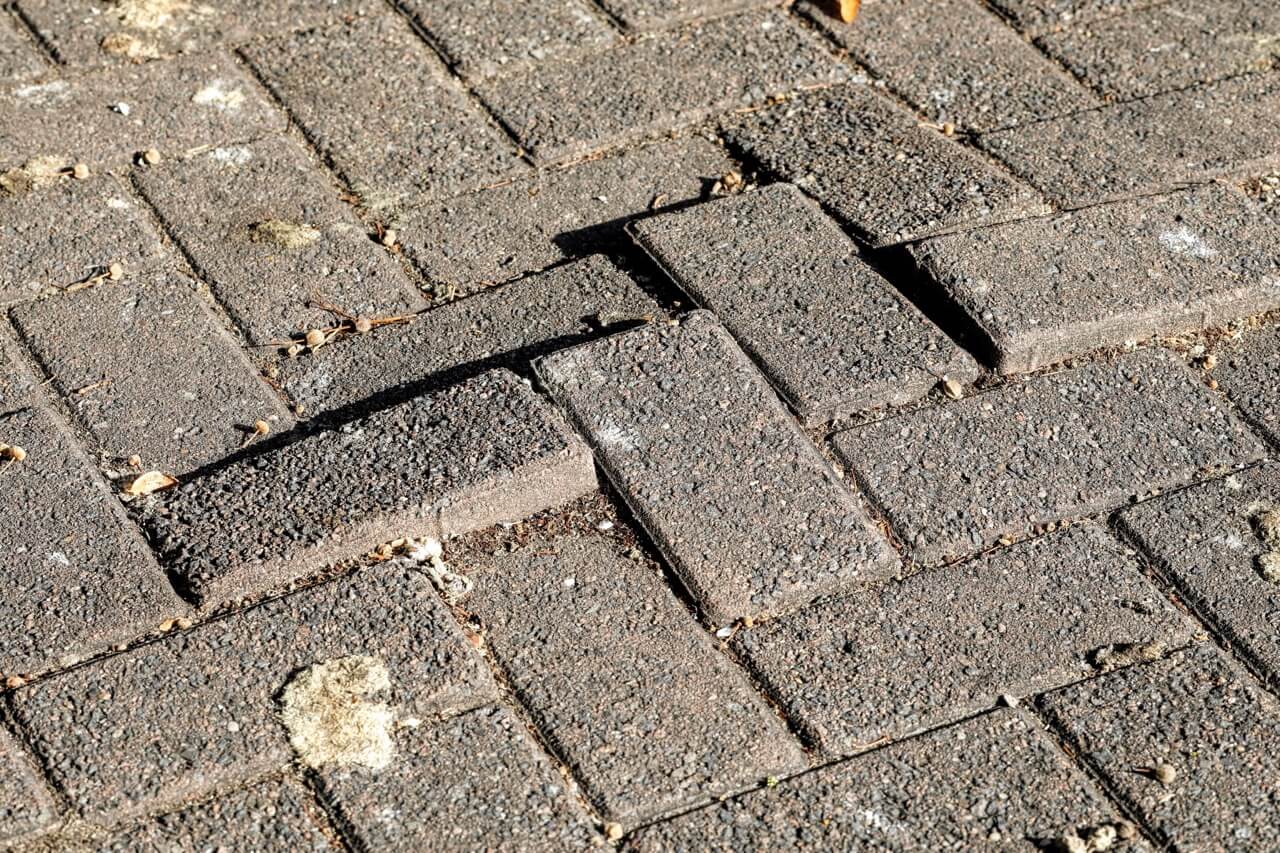
Should You Repair Sunken or Uneven Pavers Before Winter or Wait Until Spring?
As autumn wraps up in Belle Plaine, MN, homeowners turn their attention to getting outdoor spaces ready for the chilly months ahead. Sunken pavers on your driveway, an uneven patio surface, or a dips-and-valleys front walkway can quickly spoil your home’s curb appeal. Worse yet, as winter comes knocking, these sunken pavers and uneven pavers create a tricky dilemma. Should you take care of paver leveling and paver restoration right now before the ground freezes solid, or is it better to wait until spring rolls around?
In Scott County, where subzero temperatures and relentless freeze-thaw cycles settle in for months, what happens underground makes all the difference. Water expands by roughly 9% when it turns to ice, putting intense hydraulic pressure on hardscape surfaces. Deciding whether to tackle paver repair before winter or hold off involves looking closely at trip hazards, standing water, and how much workable weather remains in the season.
Why Do Pavers Become Sunken or Uneven?
Pavers rarely shift without an underlying reason. Most often, paver maintenance issues stem from instabilities resting in the base material beneath the surface brick layer. Poor initial ground compaction during installation can cause heavy settling over time, especially along high-traffic driveways or parking areas.
Water runoff is another major culprit. When bedding sand washes away or subsurface soil erodes, support drops out from under the hardscape. Add in Scott County’s native clay soils and seasonal temperature swings, and ground movement becomes inevitable. Simply lifting an individual block and resetting it on top of loose sand rarely provides a long-term fix. Identifying whether you have base failure, structural erosion, or drainage problems is essential to making sure your repairs actually last.
How Can Winter Weather Make Uneven Pavers Worse?
Minnesota winters subject hardscapes to severe environmental stress. When rain or snowmelt seeps into unsealed paver joints and pools within low spots, it creates an ideal setup for frost heave. As water trapped in the soil and gravel base freezes, it expands with tremendous force, lifting adjacent sections of hardscaping unevenly.
Research published through the Minnesota Department of Transportation highlights how repeated freeze-thaw cycles cause thaw weakening in subgrade soils, significantly destabilizing pavement bases. Additionally, studies shared by the Local Road Research Board demonstrate that saturated bases can reduce structural pavement service life by over 50%. When heavy snowplows or shovels catch on raised paver edges, bricks can crack or dislodge completely. While winter does not ruin every hardscape, leaving drainage issues untreated increases the chances of deeper structural settling come spring.

When Should You Repair Pavers Before Winter?
Tackling paver repair in Belle Plaine, MN, before winter arrives is strongly advised when safety risks or water pooling come into play. Addressing paver leveling promptly prevents minor structural flaws from becoming major liabilities over months of snow and ice accumulation.
- Tripping Hazards: Elevated edges along primary walkways, entry steps, or front porches present dangerous hazards for guests, mail carriers, and family members walking on slick surfaces.
- Severe Water Pooling: Deep depressions where water collects within two feet of your home foundation or garage apron risk serious ice buildup and water intrusion.
- Exposed Base Layers: Areas where joint sand is completely gone and sub-base gravel is washed away leave surrounding pavers unsupported.
- Vehicle Driveway Dips: Sunken driveway sections that cause car tires to bottom out or trap runoff will only weaken further under heavy vehicle loads during freeze-thaw periods.
When Is It Reasonable to Wait Until Spring?
Not every uneven hardscape surface demands emergency fall maintenance. If your pavers show only slight settling, lack dangerous lip edges, and shed water effectively away from your home, waiting until spring is often a safe choice. Minor cosmetic dips on a patio that sees little to no foot traffic during winter months pose low risk.
Waiting allows you time to plan a comprehensive paver restoration project without racing against sudden freeze-ups. However, choosing to wait should be a conscious plan, not neglect. Keep a close eye on the area during late fall rains. If water starts pooling significantly, taking temporary protective steps or seeking a professional opinion before winter sets in is wise.
Can Sunken Pavers Be Repaired When Temperatures Drop?
Working with hardscapes late in the fall depends heavily on soil moisture and daily ground temperatures. Correct paver restoration requires thorough base excavation, adding aggregate gravel, and achieving tight compaction with mechanical plate tampers.
Once air temperatures drop below freezing consistently, the top soil layer hardens. Compacting frozen aggregate or icy base sand is nearly impossible and creates hidden air voids that settle unevenly once temperatures warm up in April. Wet, muddy late-fall ground also prevents joint sand from setting correctly. While small surface adjustments can be completed on mild late-autumn days, major base overhauls are best completed before deep ground freezes arrive.

What Happens During a Paver Repair?
A durable, long-lasting repair addresses root problems underneath rather than applying a quick surface band-aid. Professional paver maintenance in Minnesota follows a systematic approach designed to resist harsh freeze-thaw cycles:
- Inspection and Assessment: Evaluating pitch, slope, water drainage patterns, and base conditions.
- Paver Extraction: Carefully removing affected pavers and surrounding border blocks without damaging adjacent hardscapes.
- Base Reconstruction: Excavating degraded soil, adding fresh base gravel, and compacting in controlled lifts.
- Bedding Layer & Resetting: Screeding fresh bedding sand, resetting pavers to exact grade, and re-establishing tight spacing.
- Joint Stabilization: Sweeping polymeric sand into joint spaces, compacting, and hydrating to seal out moisture.
How Can You Decide What's Best for Your Property?
Deciding whether to fix your pavers now or wait until spring comes down to evaluating five core factors: safety, water drainage, damage severity, repair size, and current weather trends. If uneven edges threaten pedestrian safety or channel water toward structural foundations, fixing the issue before ground-freeze protects your property and wallet. On the flip side, minor cosmetic settling can comfortably wait for ideal spring conditions. Taking a few minutes to inspect your hardscapes each autumn helps ensure your driveways, steps, and patios remain safe, solid, and structurally sound year-round.
Get Your Pavers Ready for Winter in Belle Plaine
Do not let winter freeze-thaw cycles turn minor paver dips into costly spring rebuilds. Contact Patriot Exterior Solutions at 612-756-4688 today for an expert inspection and hardscape estimate tailored to your Belle Plaine property.